 at.wallet
At.wallet recovery wallet choices after shutdown
At.wallet recovery after its June 1, 2025 service shutdown requires a replacement wallet that matches the original backup settings. Saved mnemonic words restore the keys; any recovery passphrase that was originally used remains necessary. Both hot and cold wallets are possible replacements, provided they support the relevant cryptocurrencies and account derivation. Choose between them by how they handle recovery secrets and signing keys, then check the restored addresses before authorizing a transfer.
In this guide
Hot and cold wallets with matching recovery support
Hot and cold self-custody wallets can restore the old accounts when their backup handling and cryptocurrency support match. A recovery wallet recreates signing keys for existing blockchain accounts from their backup. A hot software wallet holds those keys on a connected phone or computer. Cold storage keeps key material isolated from the network, and a dedicated hardware wallet can provide that isolation. The compatible replacement restores access to the accounts; restoring it doesn’t restart the discontinued transaction service or move the assets.
Passphrase support becomes decisive when the original wallet used that extra recovery secret. A words-only recovery won’t reproduce an account that originally used a passphrase. The same word count also doesn’t establish compatible backup handling.
The recovery sheet and original passphrase
The recovery sheet supplies the ordered mnemonic words, while the original passphrase remains necessary for any wallet that used one.
Ordered backup words
The words must match the original record in their original order. Backup format support and supported phrase length matter before any secret enters a replacement. A wallet that accepts some mnemonic backups doesn’t necessarily accept every format. Keep the recovery record intact during selection, and don’t substitute a newly generated phrase for the old one. A new phrase creates different keys, so it won’t reopen the original accounts.
The separate recovery passphrase
Matching the original secret
The optional passphrase belonged to the original recovery setup. Leaving it blank only fits an account that originally used no passphrase. Capitalization, spaces, and punctuation can affect the resulting keys, so the original spelling matters. An incorrect passphrase can produce another valid wallet instead of a password error.
Setting a replacement password or PIN
A password or PIN that locks the replacement controls access to that installation or device. It doesn’t replace the original recovery passphrase. Choosing a new local lock leaves the original recovery inputs unchanged.
Account paths and recognizable addresses
A matching historical address supports the conclusion that the replacement reconstructed that account using the original recovery settings.
Derivation paths describe how a wallet selects particular keys from its backup. BIP44 organizes deterministic wallet keys by purpose, coin type, account, change branch, and address index. Different account selections can therefore expose different addresses even when the backup words match.
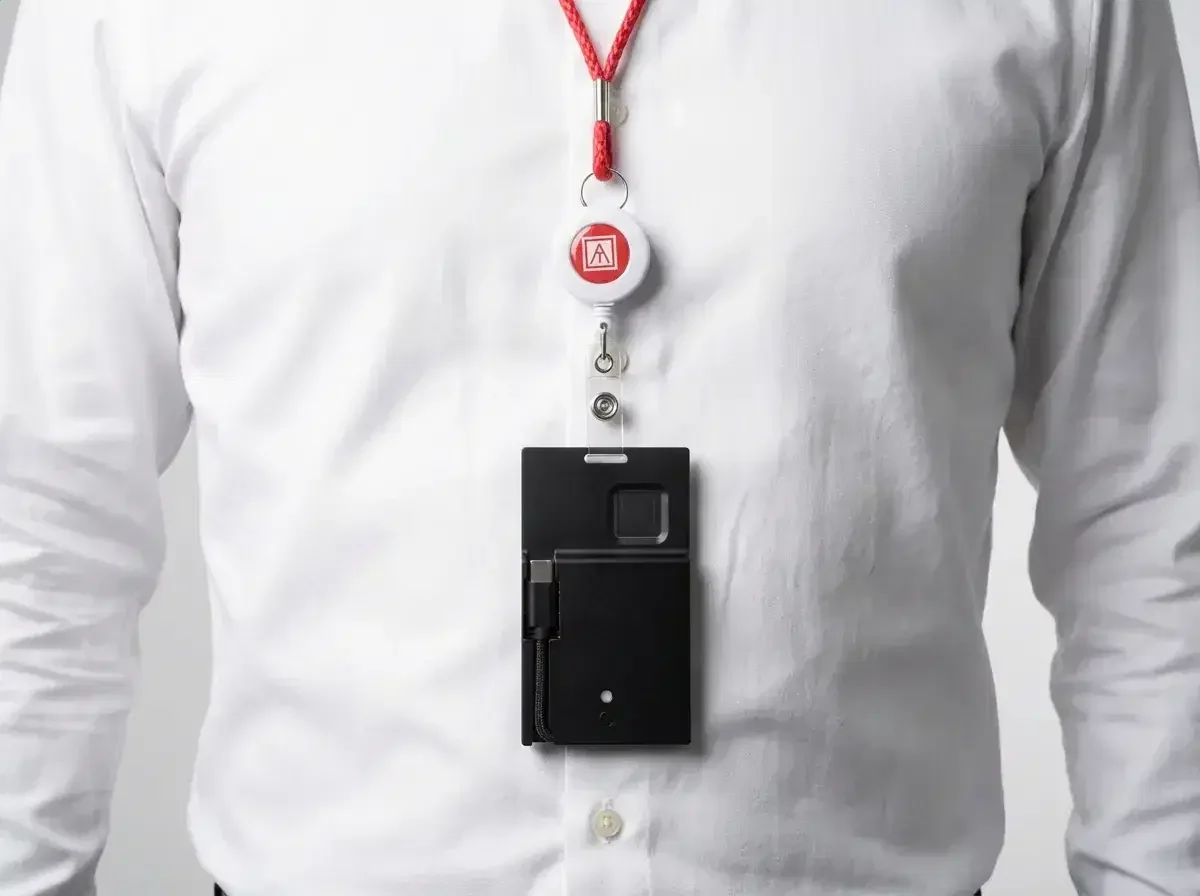
For Bitcoin, the product’s historical settings included BIP44 legacy accounts and an optional BIP84 native SegWit choice. The mobile app’s version 1.0.19 also added BIP49 support, which covers nested SegWit accounts. The original account type determines which recovery option fits; picking a newer-looking address format doesn’t locate an older account automatically. A receiving screen may show the next unused address, so comparison should include previously used addresses or transaction history within the same account. No single address prefix identifies all of a wallet’s account settings.
One matching address confirms a narrower result than a complete recovery. Other previously used accounts still need their own matching derivation and cryptocurrency support.
Cryptocurrency coverage beyond the backup format
The replacement needs access to the cryptocurrencies actually held, alongside the recovery settings that recreate their original accounts. Historical support included Bitcoin, Litecoin, Ethereum, and ERC-20 tokens. A replacement may provide an asset interface directly or through a supported companion application. The relevant combination includes the signing device, application, and account type. A hardware device’s backup support alone doesn’t establish that its default application can manage every account that the backup contains.
Ethereum’s native balance and ERC-20 token balances represent different holdings associated with the account. The restored signing key controls the original address, while the application also needs the correct token contract information to display a token balance. Some applications require a token to be added manually. That display setting doesn’t transfer the token or change ownership. Cryptocurrency coverage should therefore include token visibility and sending support, beyond recognition of the parent account.
Why is the replacement wallet empty after recovery?
An empty balance can reflect a different passphrase, an incorrect account selection, or incomplete synchronization and account discovery. A recovery application can accept valid words while opening accounts different from those previously used. Addresses that differ from the old records point toward recovery-input or derivation differences. Matching addresses with missing transaction records can instead indicate a network-data or discovery problem.
Account discovery searches for previously used addresses and accounts. BIP44 discovery follows transaction history, including accounts whose balances have fallen to zero. Applications can limit how far they search past unused addresses, and their supported account types can differ. An empty opening screen alone doesn’t establish that the blockchain holdings disappeared. The relevant evidence is the history and holdings at the original addresses, together with the replacement’s ability to derive their signing keys.
Recovery costs and the fees for moving assets
Local key restoration doesn’t submit a blockchain transaction, so the recovery operation itself doesn’t incur a network fee. Buying replacement hardware creates a separate acquisition cost. A software wallet can avoid that purchase, while an already available compatible device changes the hardware cost comparison. Those costs don’t depend on the amount that the old account holds. Moving recovered holdings to newly generated accounts is a separate action, and it introduces transaction fees.
For Bitcoin, a transfer fee depends on the transaction’s virtual size and the selected fee rate. Ethereum fees reflect gas usage and the applicable price per gas. Ethereum transaction fees are paid in ether (ETH). A recovered ERC-20 token balance is separate from the ETH used to pay for an ordinary transaction sent directly from that account. The fee estimate belongs to the transfer being prepared; recovery doesn’t impose a fixed migration charge.
Choosing a recovery method before sending
In this hypothetical case, a reader has saved mnemonic words, the original recovery passphrase, a historical receiving address, and access to uninitialized replacement hardware. They’re comparing a software app that accepts the words without passphrase entry with a hardware wallet documented to support their complete recovery settings and held cryptocurrencies.
The software option avoids a device purchase, but its missing passphrase input prevents recovery of this particular account. The available hardware supports on-device entry and needs no additional device purchase. It fits the reader’s requirement to keep recovery secrets off the computer. Any later transfer fee would depend on its network and transaction requirements. Merely restoring the account doesn’t create that fee.
The reader confirms the hardware’s recovery support before entering the secrets, then restores using the original account settings. The companion application shows the historical receiving address and expected transaction history. No outgoing transaction has been signed or broadcast, and the original backup remains intact. The reader has identified the restored account and can stop before committing funds to a new address.
Signing isolation and the history of the backup
Hardware recovery’s security advantage comes from keeping signing keys inside the device during transaction authorization. The entry method matters too: direct entry on supported hardware avoids typing the backup into a general-purpose computer. Importing the same words into software puts their recovery power on the host device. A software interface connected to a hardware signer is a different arrangement from importing the backup into that interface.
Restoring an exposed backup on hardware doesn’t revoke other copies of its private keys. A device protects its own copy during normal use; it can’t erase a copy elsewhere. If backup exposure is the reason for changing wallets, account restoration and replacing the old keys are distinct tasks. Freshly generated keys create new accounts, and moving existing holdings to them requires access to the old keys and a blockchain transfer.
Maintenance and incomplete recovery records
Ongoing software support matters because a recovery wallet still needs working network access after it reconstructs the keys. At.wallet’s firmware and companion applications stopped receiving updates and security patches, and active technical support ended. A maintained replacement can provide its own network access without depending on the retired transaction server. Its recovery format, supported account types, and cryptocurrency interfaces remain relevant after the initial import.
A replacement can’t supply missing recovery secrets. If the original mnemonic words or a required passphrase are missing, choosing different hardware alone won’t restore that account.
Popular questions about At.wallet
Can recovery preserve the old card’s fingerprint enrollment?
Mnemonic recovery doesn’t transfer the old card’s enrolled fingerprints to a replacement. Fingerprint enrollment controlled access to the original device, while recovery words recreate cryptographic keys. A replacement uses its own local authentication setup. Its authentication method can differ without changing the accounts derived from the correct recovery inputs.
Which language setting applies to a non-English recovery phrase?
The replacement must support the original mnemonic language and wordlist. Translating the words into English changes the recovery input and can produce different keys. The interface’s display language is a separate setting. Keep the recorded words unchanged, and distinguish wordlist support from the language used in menus.
Will importing the same backup into multiple wallets duplicate the cryptocurrency?
Using compatible wallets with the same recovery inputs and derivation settings recreates access to the same accounts without duplicating their holdings. The wallets hold copies of signing access, while the blockchain records the assets. A transaction from one copy affects the shared account state that the others display after synchronization. Each additional copy also creates another place that must protect those keys.
Can a public address replace the recovery words when importing an account?
A public address can support balance tracking, but it can’t recreate the private key required to sign transactions. A watch-only view can therefore show the expected holdings without restoring spending access. For mnemonic recovery, the necessary inputs remain the original backup words and any passphrase originally used for that account.
Does changing the display currency alter the recovered cryptocurrency?
Changing the display currency changes the valuation shown, not the cryptocurrency units held at the address. Different conversion rates or refresh times can produce different fiat estimates for the same holdings. Compare the underlying cryptocurrency quantities and account addresses when assessing recovery, rather than relying on the converted total.
When can the original recovery passphrase be changed without transferring the assets?
A recovery passphrase can’t be changed in place while preserving the same derived account. Different passphrases generate different keys, and leaving out an existing passphrase also changes the recovery input. Moving holdings to an account with different recovery settings requires access to the original signing keys and a separate blockchain transfer.
Is an exchange login a substitute for the old wallet’s recovery backup?
An exchange login authenticates an exchange account; it doesn’t recreate the keys derived from the old wallet’s backup. A custodial deposit account receives transfers under the exchange’s key management. An exchange-branded self-custody application may offer a separate recovery function, but that application’s backup and passphrase support determines whether it can restore the original accounts.
Does the main wallet’s backup cover a separately initialized hidden wallet?
A main-wallet backup doesn’t automatically cover a hidden wallet initialized with different recovery inputs. Each independently initialized wallet requires the mnemonic words and any passphrase that produced its own keys. Match the saved recovery record to the specific wallet being restored. A main-wallet address match doesn’t confirm recovery of a separate hidden wallet.
Updated: